

Transcending Corporate Boundaries in Tackling Aluminum Can Recycling: Envisioning a Circular Economy and an Eco-friendly Future by UYAR—the New Company
 Share
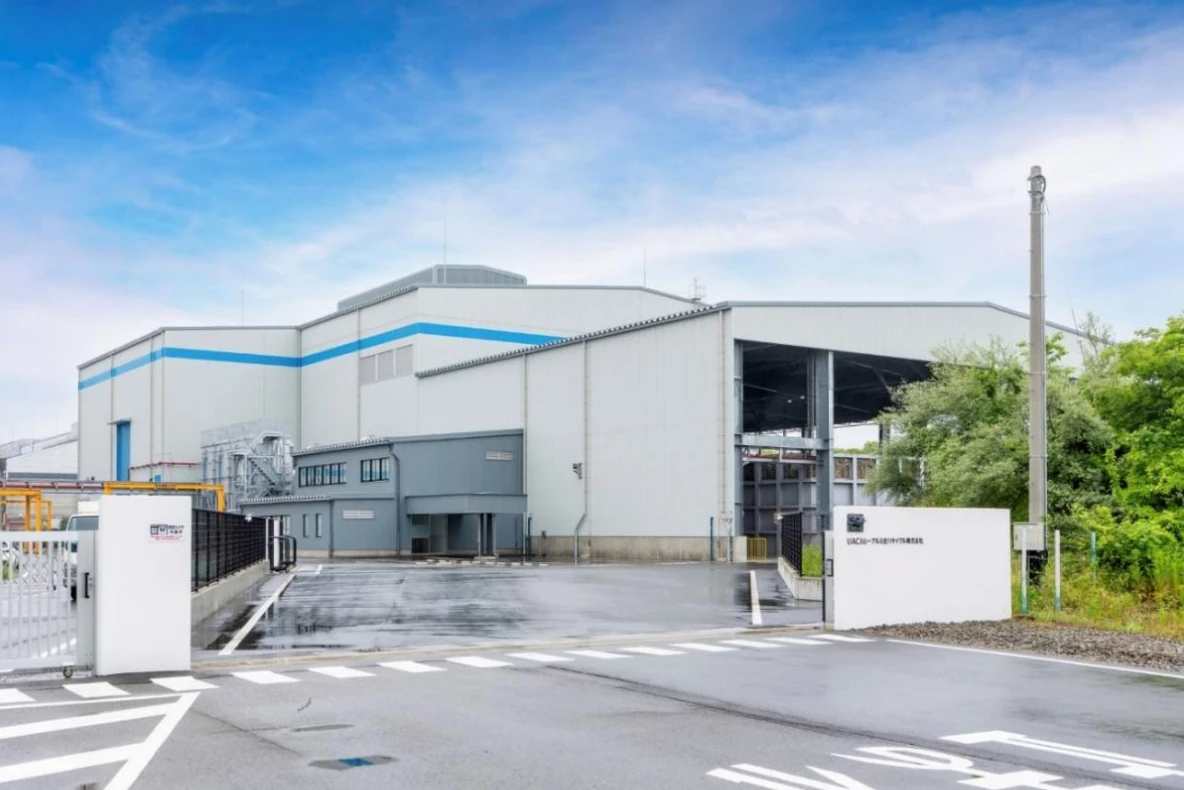
ShareApproximately 200 billion aluminum cans are consumed in Japan each year*1. Of these, an impressive 94.7% are recycled, with more than 70% of the material reborn as new aluminum cans through horizontal (can-to-can) recycling. UACJ has been a cornerstone of Japan’s aluminum can industry for decades, with key contributions including the development of can end stock in 1964 and body stock for all-aluminum cans in 1971. Now, in 2026, a new chapter begins in Fukui Prefecture, Japan with the launch of UACJ Yamaichi Aluminum Can Recycling Corporation (UYAR)—a joint venture (JV) between UACJ and Yamaichi Metal Co., Ltd. (YMC), specializing in aluminum can recycling. This article explores how the two companies joined forces to create a new recycling powerhouse and chart a path toward a more-circular future. We sat down with the team that led UYAR’s launch to hear their story and vision for what lies ahead.
- Data from the Japan Aluminum Can Recycling Association, FY2025
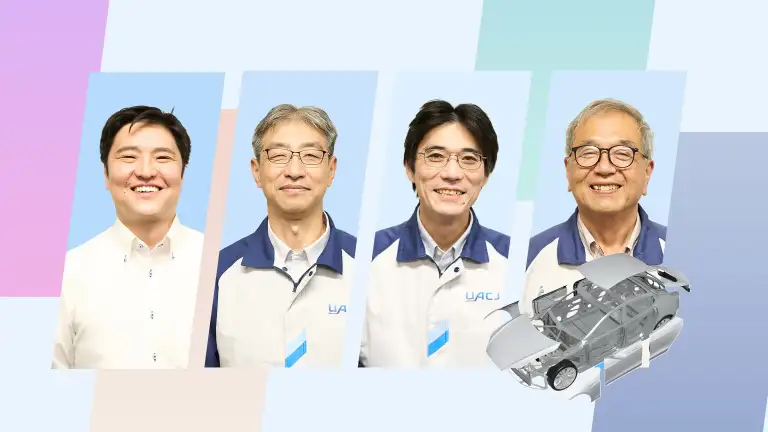
SPEAKER
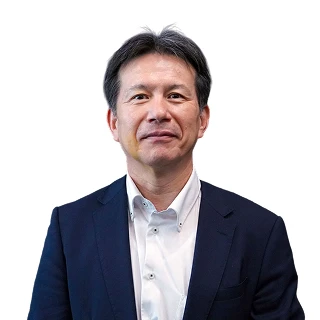
Executive Officer, Chief Executive, Business Support Division
(General Manager, Production Planning Department, Flat Rolled Products Division, Headquarters)
Yukio Urayoshi
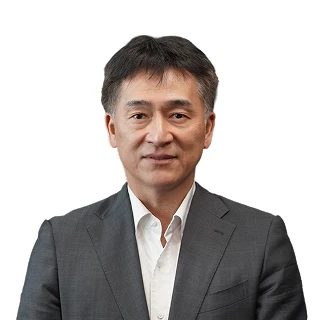
Executive Officer, Chief Executive, ‘MONOZUKURI’ Core Manufacturing Innovation Division
(General Manager, Production Technology Department, Fukui Works)
Naruhiko Kamiya
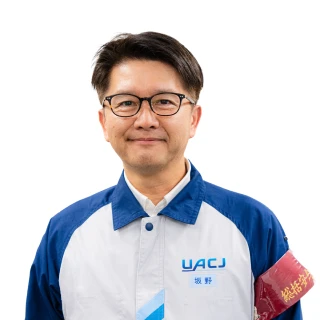
Senior General Manager, Fukui Works, UACJ, and Representative Director, President, UYAR
Kiminori Banno
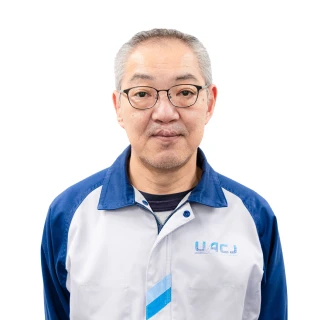
Executive Vice President, UYAR (Promoter of framework building for the launch of the new company, including organizational structure and system design)
Muneyuki Shoda
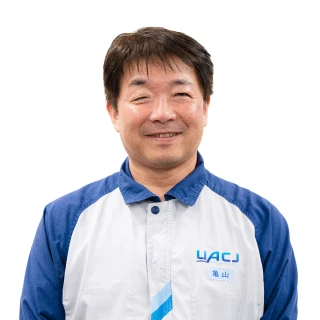
General Manager, Production Department, UYAR
(In charge of launch in general, from acceptance of materials to production and shipment)
Hiroki Kameyama
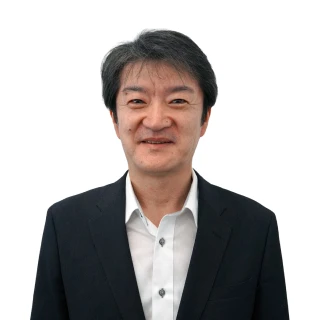
General Manager, Plant Engineering Department, ‘MONOZUKURI’ Core Manufacturing Innovation Division, Headquarters,
(Senior Manager, Engineering & Maintenance Department, Fukui Works)
Hiroshi Sasakawa
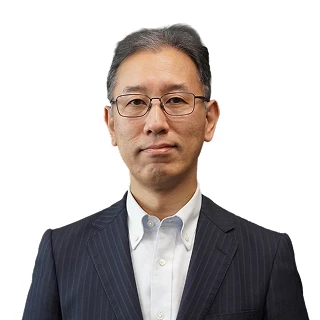
General Manager, Finance Department, Finance and Accounting Division
(General Manager, Sales Planning Department, Flat Rolled Products Division, Headquarters)
Tomoaki Kazuta
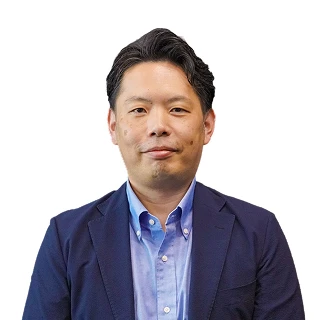
Manager, Strategy & Planning Section, Corporate Strategy Department
(Senior Officer, Sales Planning Department, Flat Rolled Products Division, Headquarters)
Shogo Matsuki
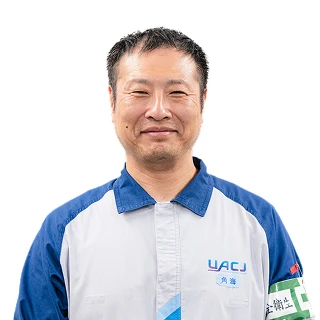
Manager, Casting Plant, Fukui Works, UACJ
(Manager, Casting Technology Section, and the team leader at UACJ)
Kazuhiro Kadoumi
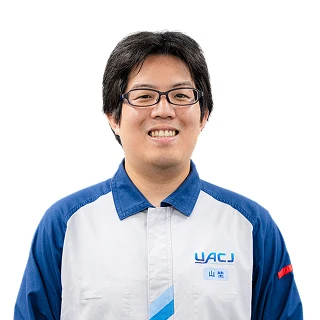
Casting Technology Section, Production Technology Department, Fukui Works, UACJ
(actual operations for the launch of the facilities and liaison with Yamaichi Metal Co., Ltd.)
Fumiya Yamano
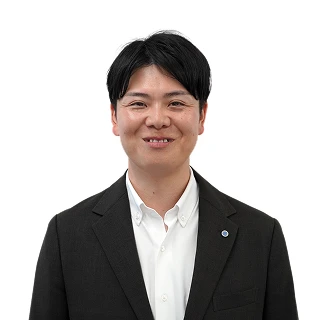
President and CEO, Yamaichi Metal Co., Ltd.
((executive in charge of production, sales, and planning), and Director, Executive Vice President, UYAR)
Takehisa Oga
- Note: Titles and roles as held at the time of this discussion are shown in parentheses.
Part 1: Why a New Company Was Needed (The Birth of UACJ Yamaichi Aluminum Can Recycling Corporation)—Aluminum Can Recycling Strategy and the Resolve to Sign the JV Agreement
1. From "Discussions on Increasing Production" to the Road Toward Establishing a JV
Question: What was the background behind the two companies concluding a basic agreement in 2021?
UrayoshiUACJ has long been committed to recycling in the production of aluminum sheets. As discussions progressed on further expanding these recycling efforts, we developed a strong desire to transform our very business structure—moving beyond our conventional melting, casting, rolling, and finishing processes to also expand into the "raw material pre-processing" domain that forms the core of recycling.
MatsukiIf I were to compare our previous business model to something familiar, it was like buying pre-processed food ingredients and then cooking with them. Our goal was to shift toward a model where we could handle the raw materials ourselves from the very beginning, while also increasing the environmental value that we deliver. That is what led us to consider a JV.
KazutaThere are three main approaches to launching a new business or company: building one entirely from scratch in-house, acquiring an existing company, or collaborating with a firm that already possesses the relevant technology and know-how. In the aluminum can recycling business, raw material pre-processing rests on two major pillars—procurement and processing. However, without the reliable procurement of recycled materials, the whole effort loses almost all meaning. Collecting those materials nationwide in Japan would have been extremely difficult for us to achieve on our own right away.
UrayoshiAgainst this backdrop, YMC possesses one of the strongest procurement networks in Japan. Moreover, through years of doing business together, we have seen their outstanding technical capabilities and procurement power up close. By partnering with them, we could rapidly and reliably build a domestic recycling operation. We concluded that collaborating with a company like YMC—which excels in both procurement and technology—was by far the best choice.
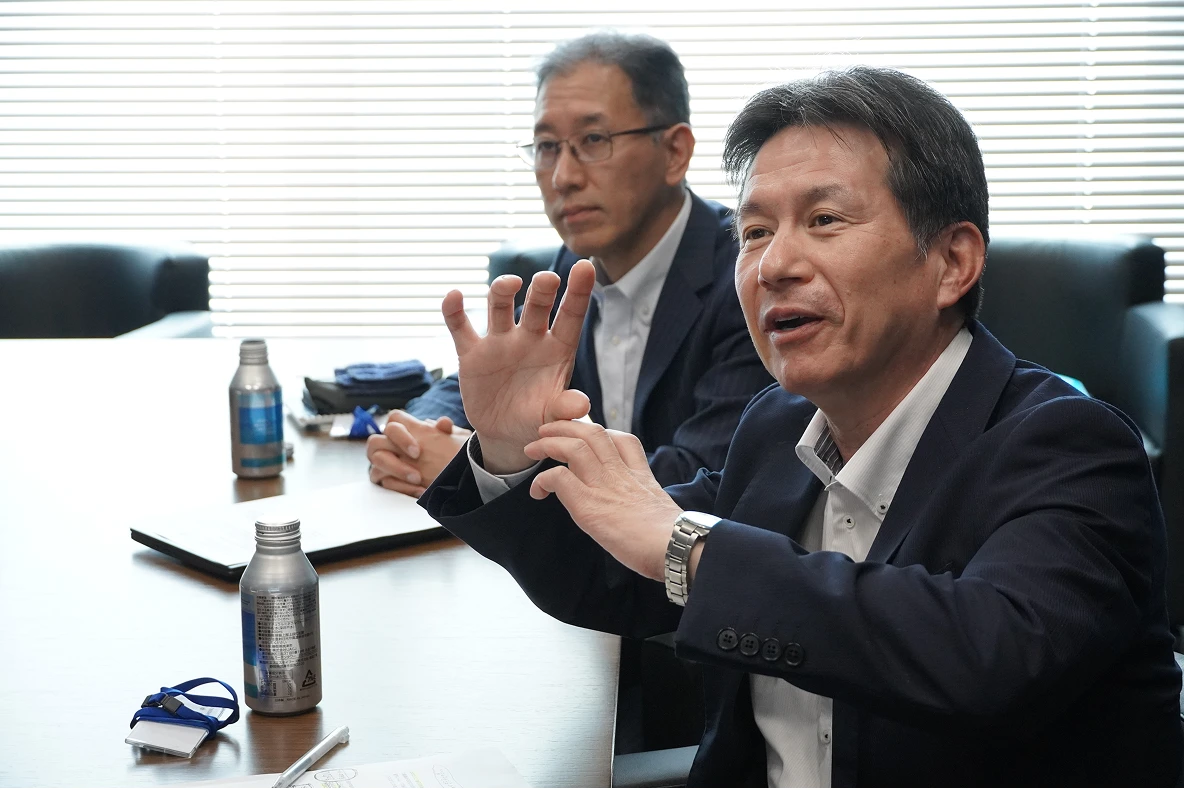
Oga (YMC)When the chairman and president of UACJ visited us at the time, I was filled with a mix of excitement and nervousness. We had been working hard to expand recycling across the board, and their initial inquiry wasn’t about a JV—it was a request to discuss increasing production by expanding our equipment capacity. As the conversation continued, however, an idea emerged: "In today’s era, where real value comes from creating something together, why not set up equipment in a corner of Fukui Works and launch a JV?" Since YMC had never formed a JV before and had almost no experience with large-scale investments, we began this challenge by moving forward hand in hand, engaging in repeated dialogue.
2. Closing the "Gap in Values"
Question: What challenges did you face while advancing the project?
KamiyaBetween 2020 and 2021, I served as General Manager of the Production Technology Department at Fukui Works—UACJ’s main base for can materials. In establishing the JV with YMC, I was responsible for finalizing equipment specifications and production technology details. At that time, YMC was the only company in Japan with proprietary technology for separating aluminum can lids from bodies. They achieved this by cleverly combining off-the-shelf equipment or developing their own unique systems. It wasn’t simply a case of "buy this machine"—we struggled significantly to reach mutual understanding and agreement on equipment concepts and technical approaches between YMC and UACJ.
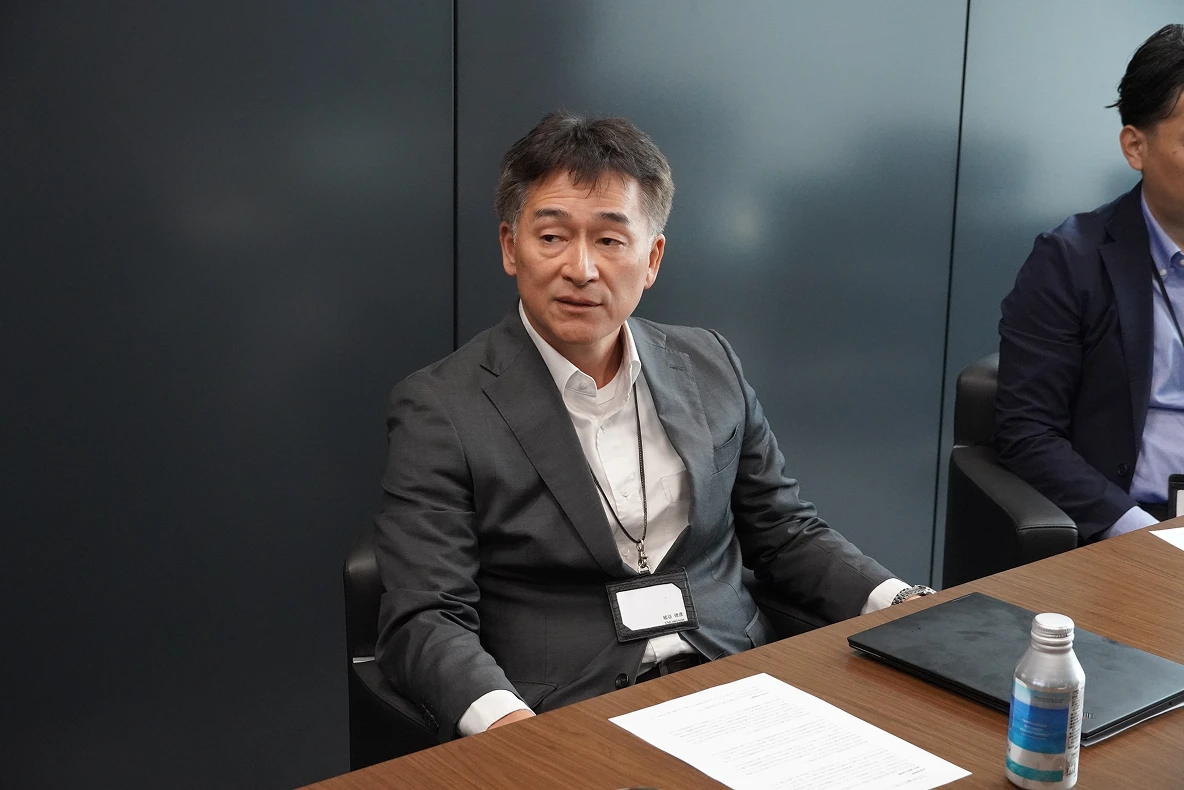
UrayoshiOn our side, the goal was to pursue automation and larger-scale operations so that we could maintain consistently high quality even with minimal human involvement. On the other hand, YMC’s strength lay in the seasoned, hands-on know-how of its skilled workers. Bridging that difference in values and approaches was one of the biggest challenges.
MatsukiIn working toward the JV, we needed to clearly define roles—leveraging YMC’s technology while UACJ handled equipment installation and infrastructure—so we engaged in very thorough discussions.
Oga (YMC)As a smaller owner-operated company, our perspective on compliance, contracts, and overall business literacy differed significantly from UACJ’s. Back then, it was hard to convey subtle nuances via email or web meetings. Mr. Matsuki proposed "Let’s meet face to face," and he actually stayed for three days and two nights. He suggested, "Since this is about the factory, let’s check everything on site," and we walked through the plant together. We continued talking late into the night about all kinds of topics. The UACJ team demonstrated a deep commitment to manufacturing and showed a strong understanding of production processes—there were many areas where our aspirations overlapped.
3. The Signing Ceremony: Resolve Embodied in a Worn-out Company Stamp
Question: Please tell us about the day of the signing ceremony.
MatsukiThis was my first time working on a JV agreement. On top of that, it was a major company-wide project, so reaching the first major milestone of contract signing felt like a significant turning point.
UrayoshiNegotiations hit a few rough patches along the way, but once we successfully reached the signing ceremony, I felt both that "the day has finally come" and "now a new journey begins."
KazutaWhen everyone involved in the negotiations gathered in one room and we pressed our company stamps onto the contract together, it truly felt like a wedding ceremony. Our goals had aligned, and the atmosphere of "from here on, we’ll move forward as one company" was deeply moving. YMC has a long corporate history, and their official company stamp was visibly worn from years of use. I’ll never forget how they said, "This seal has quite a story behind it," as they stamped the document. It was clearly a major decision for them as well—and for us, it was a significant step toward a new future.
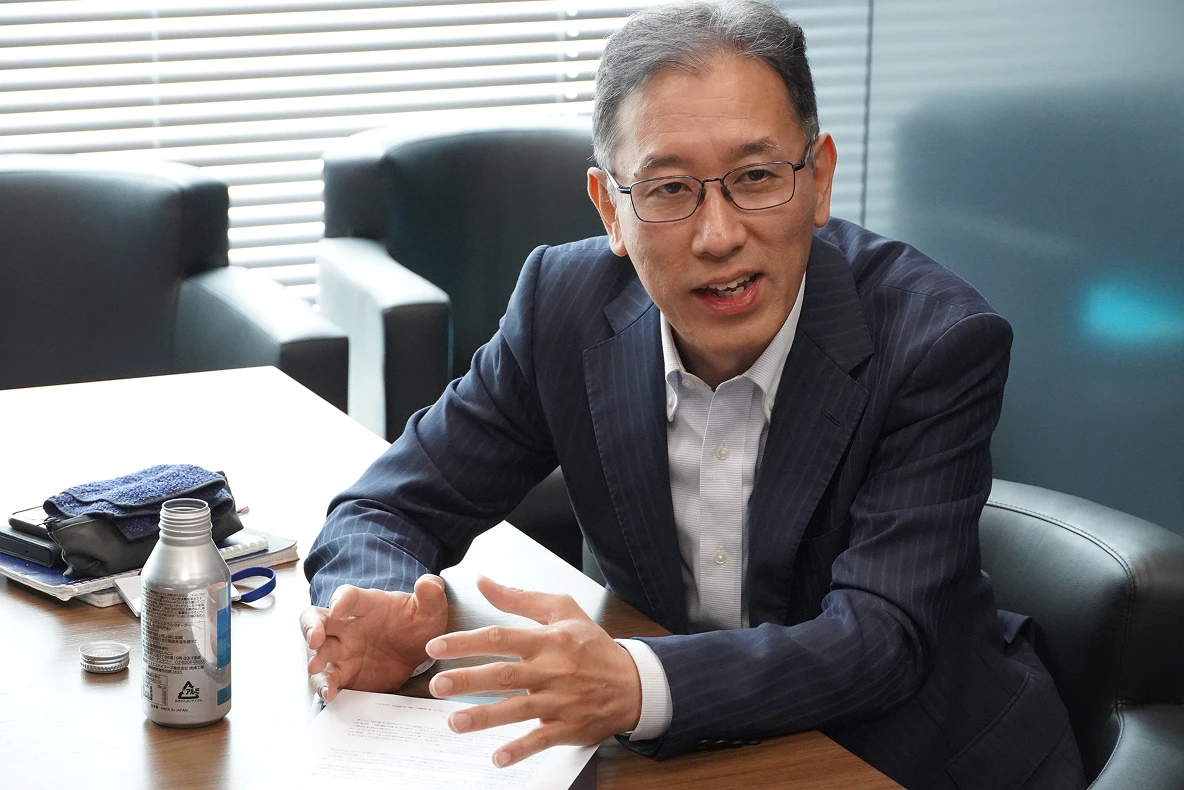
Oga (YMC)That official company stamp has been in use for roughly 60 years since my predecessor’s time—it has literally walked alongside the company’s history. It has been present for countless critical decisions and major milestones. I believe that the weight and resolve it carries were clearly conveyed to the UACJ team. It made me feel once again our strong sense of mission and firm determination—that we absolutely must make this project a success.
Question: Was there anything that left a particularly strong impression on you?
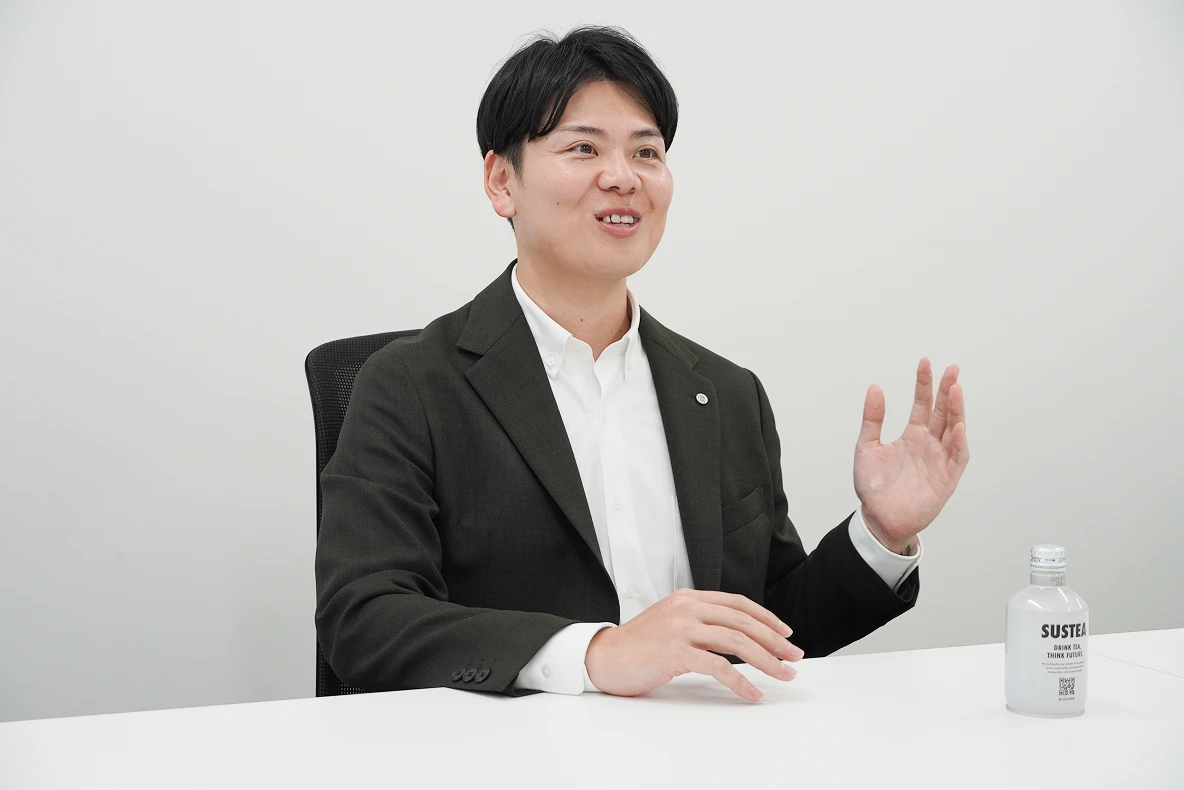
Oga (YMC)One of our own employees, who now works at UYAR, stood on that big stage and boldly declared: "We will aim for 99.9% quality in horizontal aluminum can recycling—surpassing even Yamaichi!" The whole venue erupted with excitement. It was a powerful moment that conveyed a clear resolve: This new company would go beyond YMC to create something greater, not as a parent-child relationship, but as true partners building the future together.
Part 2: The Equipment That We Thought Would Work But It Didn’t—Trial & Error and Unity on the Fukui Shop Floor
4. The Goal: Creators and Users "Breathing the Same Air in the Same Place"
Question: Under what concept did the new company, UYAR, launch in Fukui Prefecture?
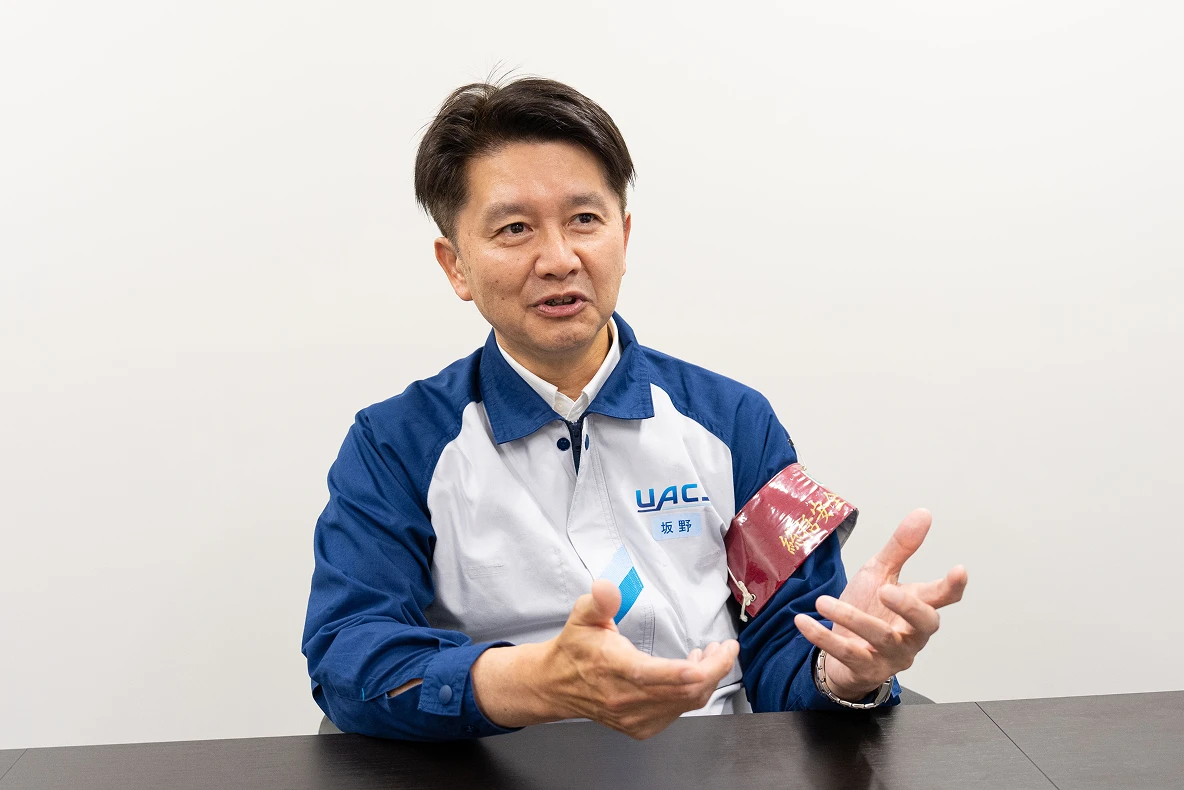
BannoUYAR is the "maker" company that turns used beverage cans (UBCs) into recycled raw material. At the same time, the UACJ Fukui Works right next door acts as the "user," taking that material to produce aluminum sheets.
KadoumiUntil now, the "makers" of recycled material and the "users" who consume it were completely separate. Now their factories stand side by side on the same site.
BannoLooking at recycled material from the user’s perspective helps us see what kind of raw material is easiest to handle. Looking at it from the maker’s perspective reveals entirely different challenges and opportunities. By integrating both viewpoints, we want to enhance recyclability while delivering high-quality, cost-effective products to the world. That is why having a single person embody both the maker and user perspectives is so important. I often say: "We breathe the same air on the same shop floor." When people in different roles share the same space and pursue the same goal, that closeness is what creates truly outstanding results.
5. Devising Rules from Zero and Equipment Design Without Drawings
Question: When launching the company from scratch, what did you focus on organizing first on the shop floor?
KameyamaBecause the two companies have different cultures, we each brought our own distinct safety, environmental, and management systems. The big question was how to combine them into a single set of rules that UYAR could adopt. We held meeting after meeting to decide. Our top priority was not to let one side dictate everything, but to create something better that both parties could genuinely agree on and build together as UYAR.
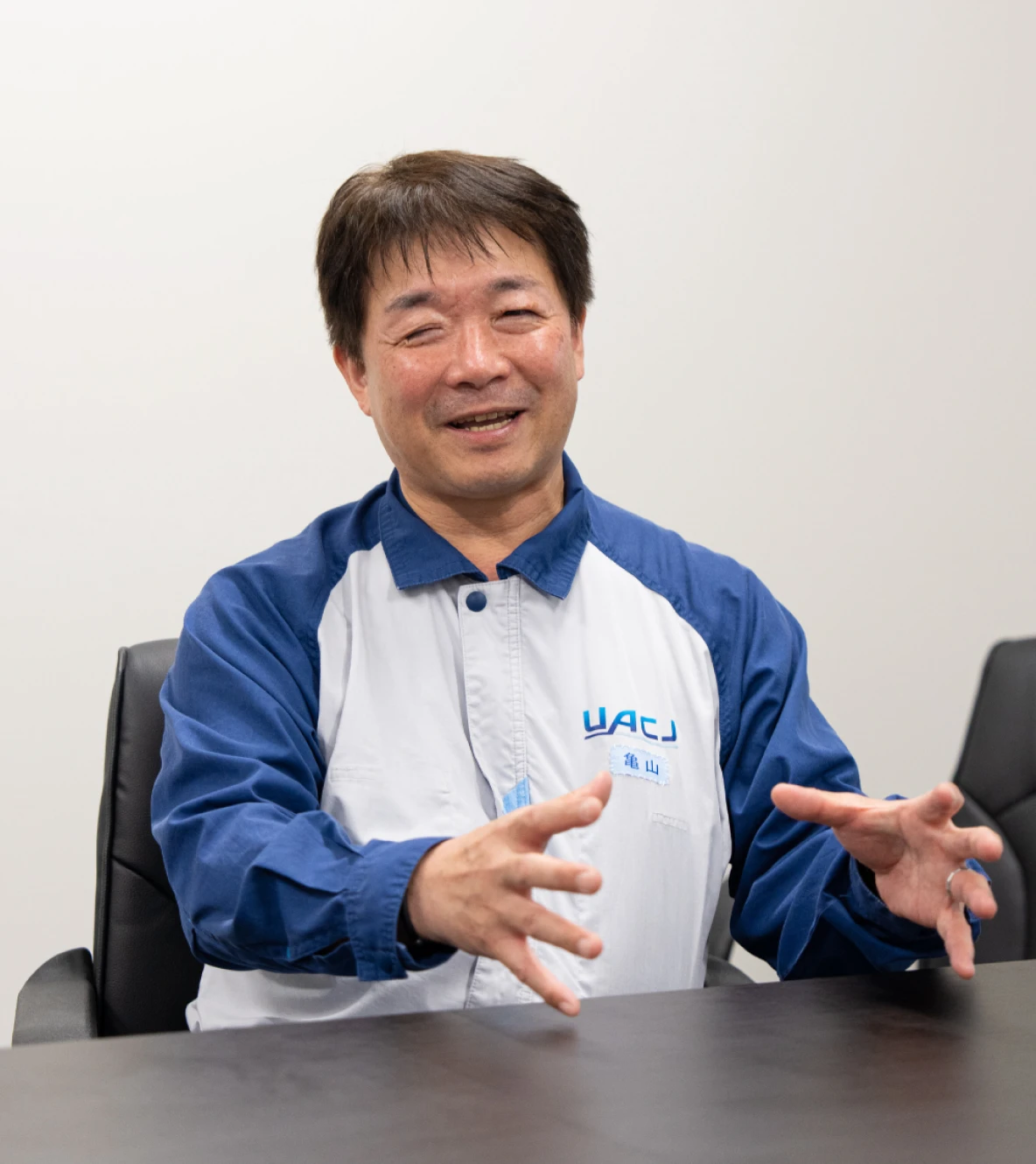
SasakawaThe equipment that we were introducing had no precedent at UACJ, so we truly started from scratch, simply feeling our way forward. Detailed reference materials were limited, so we built the basic design entirely by hand—from measuring data on existing equipment all the way to creating the drawings. I believe our hands-on, on-site approach—going to see things for real and verifying everything firsthand—was what led to the optimal equipment design.
YamanoWe started with zero knowledge in this field. At the beginning, our fundamental question was simply: "Can we actually make this work?"
KadoumiTo be frank, UACJ had zero expertise in UBC processing technology. We were a group that had focused solely on casting for years, and now we had to tackle an entirely new field. That’s why we visited YMC again and again, learning everything from the ground up. Only then were we finally able to introduce the equipment.
SasakawaA project of this scale is also a tremendous opportunity for our younger and mid-level members to dramatically grow their design and project management abilities. That’s why we held countless in-depth discussions and worked hand-in-hand with YMC, revising the layout over and over from the perspectives of safety and ease of operation until everyone was satisfied. I kept telling the team that the real key to success is sharing information closely across departmental and company boundaries.
6. Trouble Strikes: "The Equipment That We Copied Doesn’t Work the Same Way."
Question: The manufacturing equipment was modeled after YMC’s existing facilities, correct?
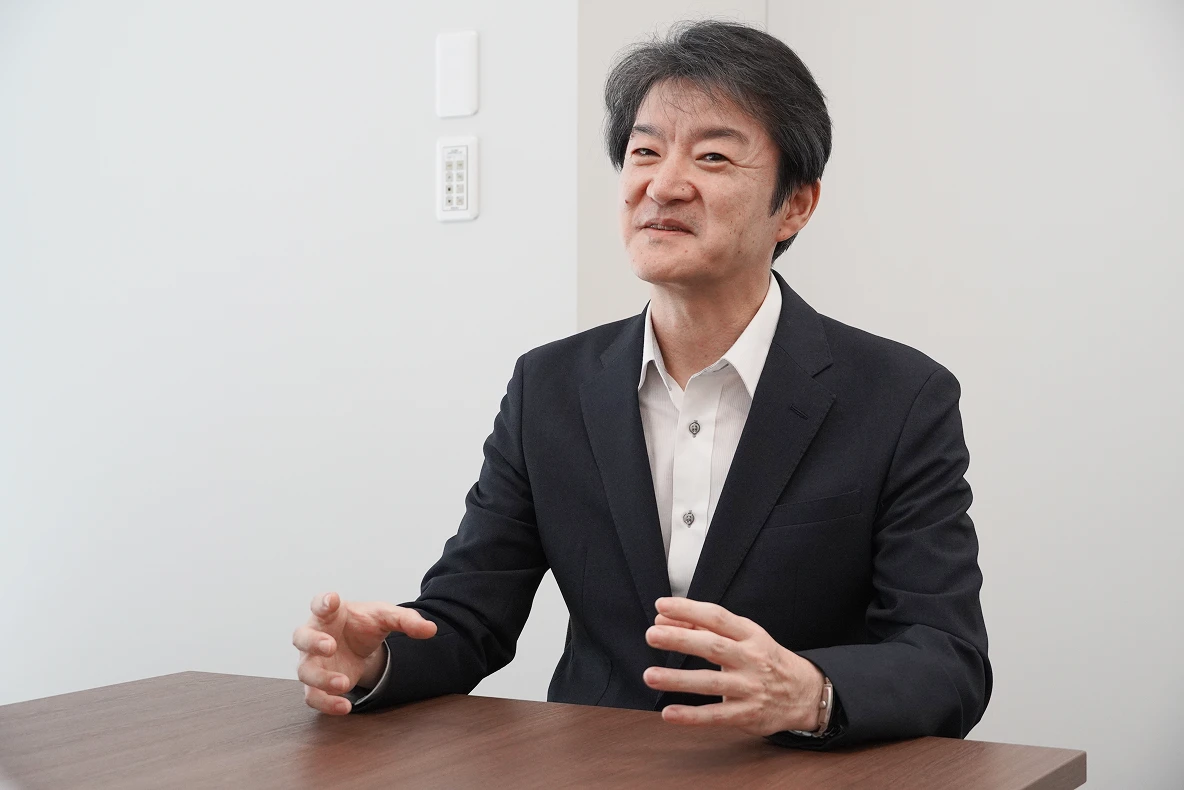
KameyamaYes. We thought that if the equipment were the same, the results would be the same. But what awaited us on the shop floor was the harsh reality that the equipment that we had copied did not perform exactly as expected. Even minor differences in configuration had a much larger impact on quality and productivity than we anticipated. Pinpointing the causes and implementing fixes took a great deal of time. Nearly six months passed before we could see a clear path to resolving the production issues.
YamanoTasks that were routine for YMC were surprisingly difficult for us to replicate. Every day felt like we were groping around in the dark, with new challenges appearing at every step. We would try, review, adjust, and try again—repeating the cycle over and over.
KadoumiWhile we assumed that everything would be the same, YMC’s equipment had been refined through years of on-site improvements—many of which were not incorporated into our newly installed lines. The differences weren’t immediately obvious, so we had to investigate while continuing actual production, gradually narrowing down the causes by asking ourselves: "Could this be the issue?"
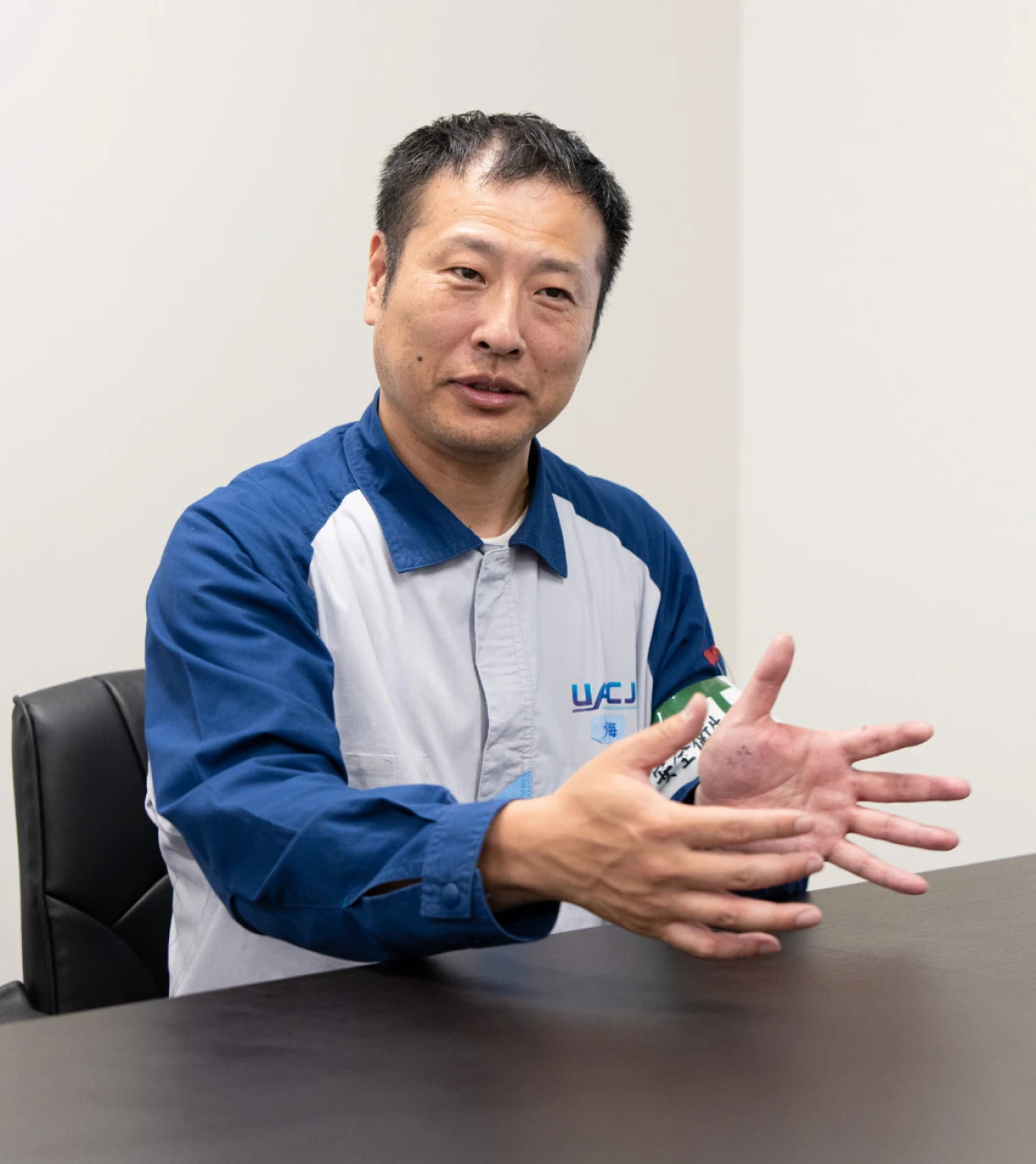
KameyamaThe key was to go back to the beginning and thoroughly identify exactly where the differences were. We asked YMC’s technical and equipment specialists to come visit the site. Together, we examined the equipment in detail and took repeated measurements. That’s when we discovered multiple points where "it should have been the same, but it wasn’t."
SasakawaOf course, there is a world of difference between a single test run and true 24-hour continuous operation. That’s why, from the planning stage, we built an extremely detailed schedule that accounted not only for the main process flow but also for "unforeseen downtime" such as for troubleshooting and safety inspections. It was a huge help that YMC members joined us at the site even before the test runs began and shared practical insights on common stumbling points based on their experience. After that, the entire on-site team pulled together and persistently worked to optimize the operating conditions.
7. How Everyday Conversations Transformed the Atmosphere
Question: The team members came from very different backgrounds. How did a sense of unity take shape on the shop floor?
YamanoAt the beginning, there was still some distance among the team members. Those who came from YMC and those from UACJ were essentially meeting for the first time. Even when YMC members offered advice like "How about trying this?", I sometimes didn’t fully understand their intent.
KadoumiI think what transformed the atmosphere was the daily communication that Mr. Yamano actively led. As he kept showing up on the shop floor, he gradually earned everyone’s trust and naturally became the central figure who could bring the team together. People started thinking "Let’s ask Mr. Yamano first."
YamanoAt the start, I knew nothing. But through daily meetings, I gradually came to understand what really mattered. The people on the floor also began grasping the key points and proactively offering ideas—"Let’s try this" or "How about that?" When I spoke with them one-on-one, they listened openly and were willing to test my suggestions. I could clearly feel the shop floor warming up little by little compared to the beginning. When they started coming to me for advice, I felt deeply that all the effort had been worthwhile. The satisfaction of seeing conditions finally align and results appear is something truly irreplaceable.
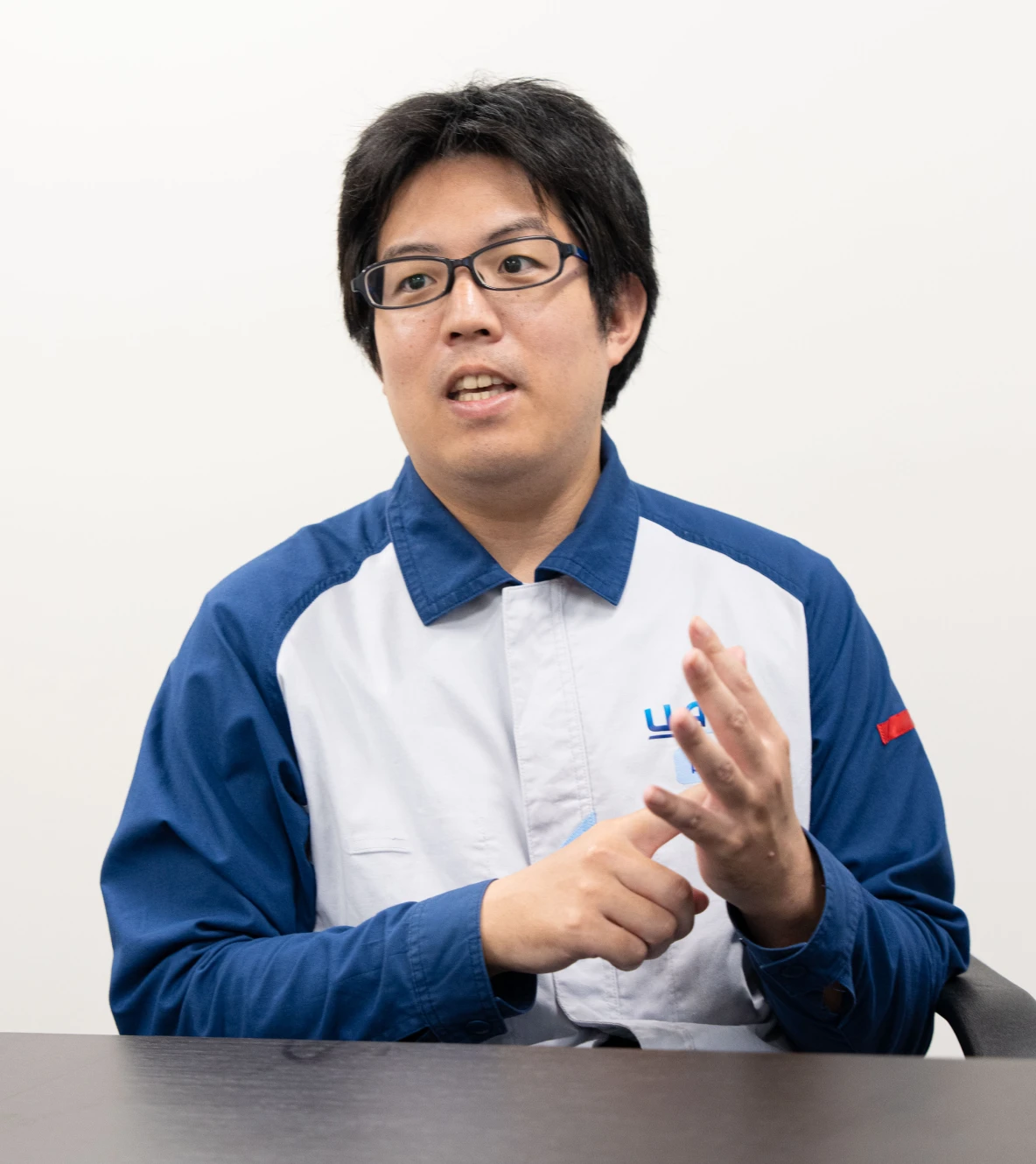
KameyamaThe on-site team members came from various UACJ plants. Many needed to obtain operator qualifications for cargo-handling and construction machinery from scratch for equipment that they had never used before—such as excavators*2, wheel loaders*3, and large trucks. We notified them about three months before their assignment so that they could acquire the necessary qualifications. The members who came on assignment tackled this new work with a feeling of hope and a positive spirit. It was truly reassuring to see people who had performed the same tasks for years rising to this fresh challenge so proactively. During the launch, YMC kindly assigned experienced work advisors to each team. They provided detailed guidance on everything from routine operations to handling sudden troubles.
- A hydraulic excavator equipped with a scissor-like attachment that coarsely crushes large, compacted UBC bales into pieces small enough for further processing
- A wheeled heavy machine that scoops up UBC—already broken apart by the hydraulic excavator—using a large front bucket, loading the UBC onto a conveyor
Question: We heard that establishing the foundation—such as the organizational structure and internal systems—for operating the new company was also a continuous process of trial and error in parallel with contract negotiations.
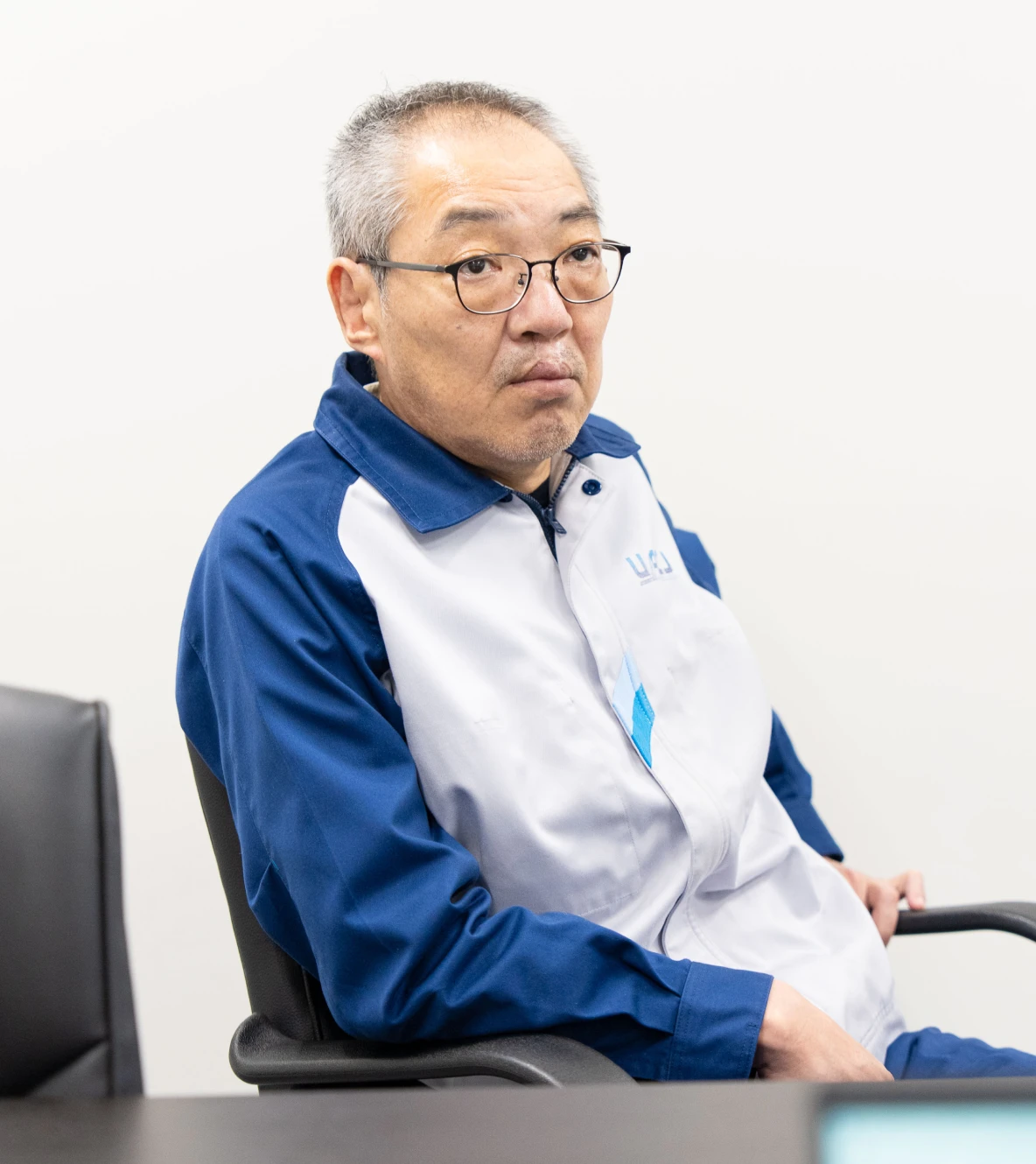
ShodaI joined the project from the groundbreaking ceremony in March 2024. As the driving force behind building the framework for the launch of the new company—handling organizational design, establishing various internal systems, drafting corporate rules and operating manuals, and concluding various contracts—I met weekly with experts from across all departments of the company to move forward with the task of "making decisions on key matters." Having no personal experience in establishing a joint venture company like this, I was truly feeling my way in the dark. We also communicated closely with Yamaichi Metal to carefully build consensus step by step so that we wouldn't become self-centered.
After nearly a year of preparation, right before the corporate registration, when I saw the moment the capital investments from both companies were officially paid in and recorded on the statement , I was filled with genuine joy and a profound sense of awe and commitment. It was the moment when "capital"—the lifeblood—was infused for the first time into a company we had built from scratch, and I can say that this was the first time in my life that I felt such immense weight and deep attachment to funds.
Part 3: Toward a Society Where Aluminum Cans Are Reborn Again and Again—The Future Circular Economy Being Pioneered by UYAR
8. The Value of "100% Horizontal Recycling" and "Local Production for Local Consumption"
Question: Once again, what is the single greatest benefit brought about by the birth of UYAR?
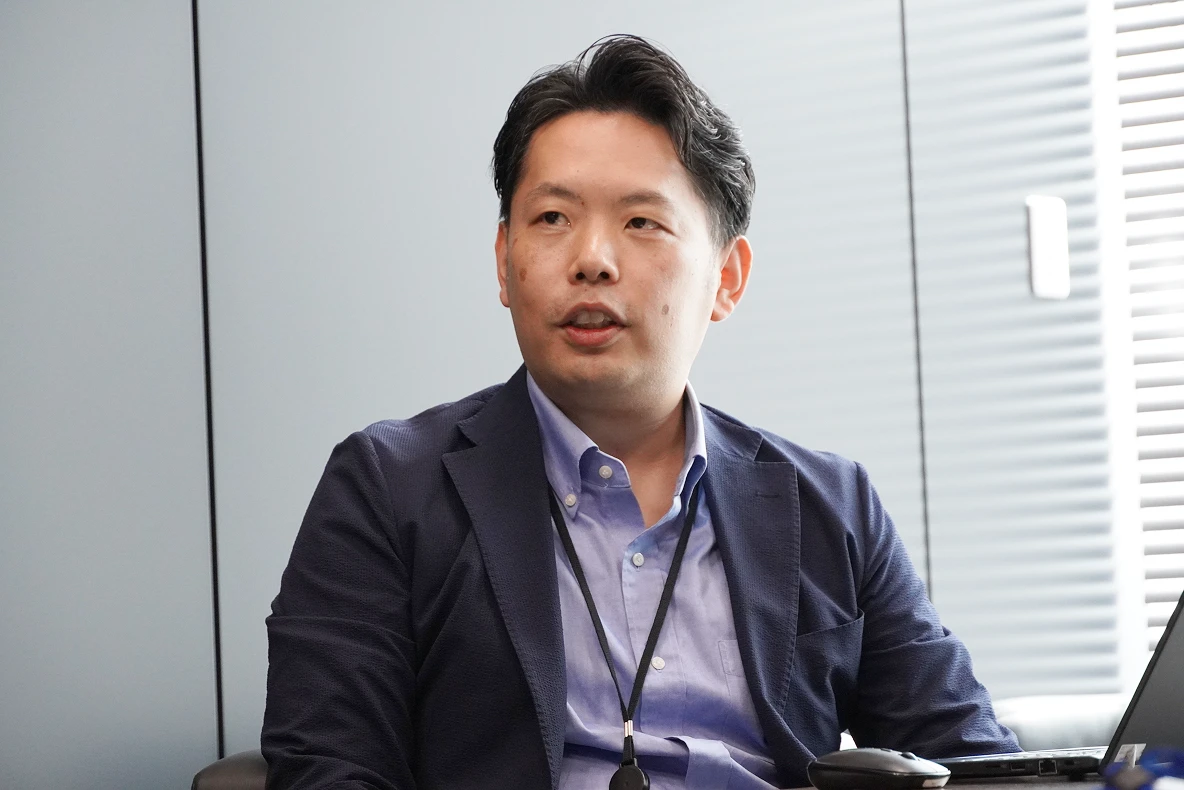
MatsukiThe biggest benefit is that we can now control the volume of raw material that we procure. Before the JV, the supply-demand picture was opaque—we didn’t know where YMC was sourcing or selling materials, and they didn’t know how much UBC we were buying. The critical issue is market share. When overseas companies buy up UBC from Japan, the amount available to us decreases. By partnering, we now have far better visibility into domestic UBC flows, which is a major advantage.
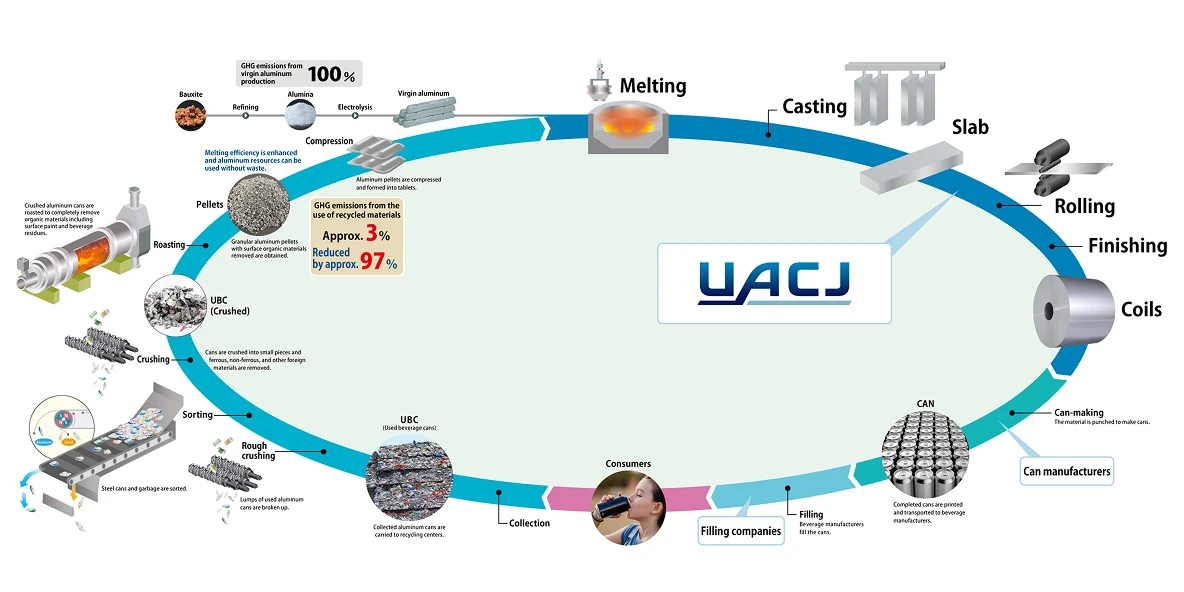
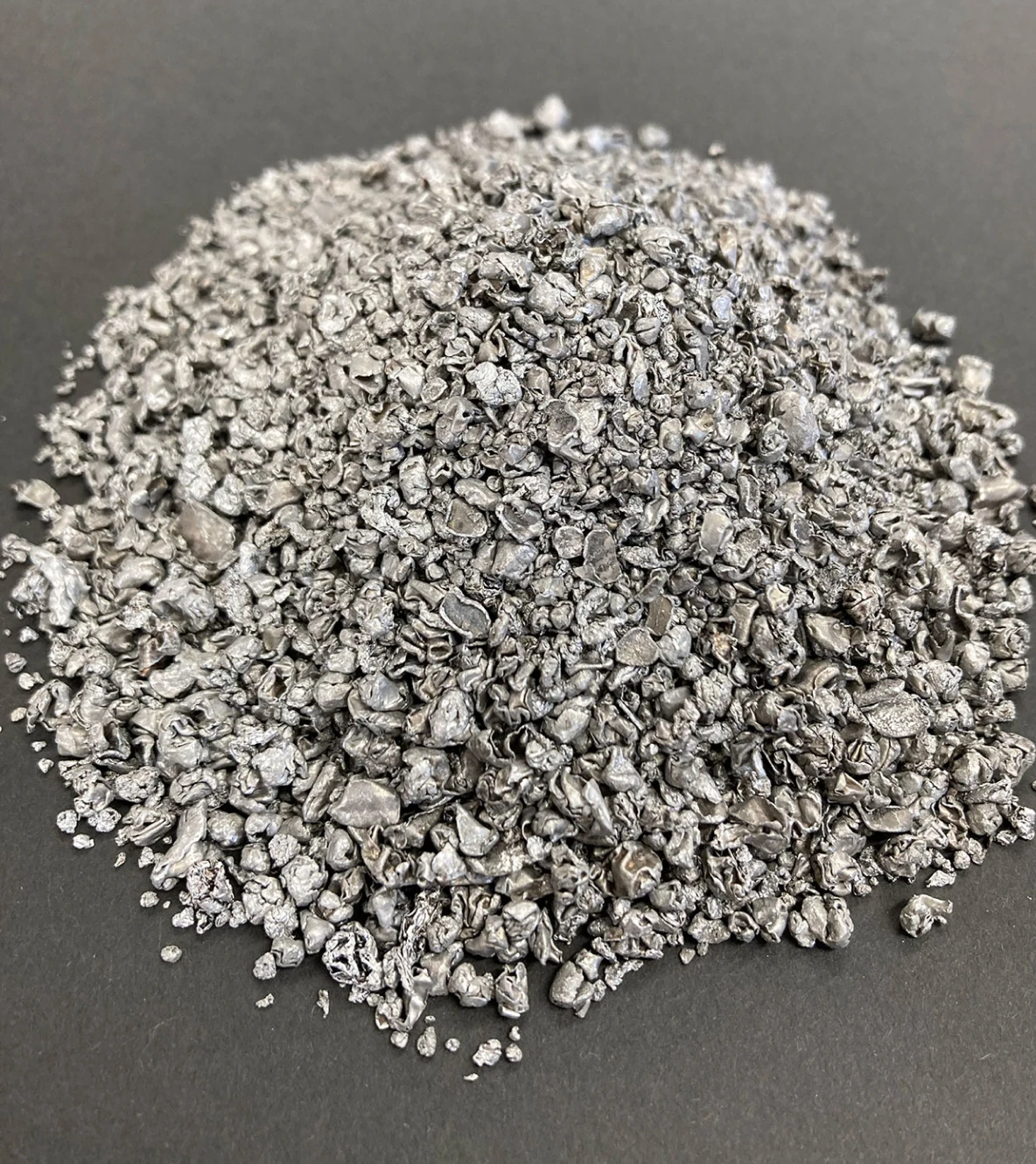
KamiyaWe take crushed and compacted UBC, pulverize them, remove foreign matter, and burn off the surface coating to create "delacquered can chips" (DCC)—small, round pellets at roughly 1 cm in diameter. Because aluminum can lids and bodies are made of different alloys, separating the body material (3000 series) from the end material used for lids (5000 series) is essential for raising the recycling rate. YMC was the only company in Japan with this separation technology. By partnering with them to introduce the equipment, we can now achieve true horizontal (can-to-can) recycling of the same alloy without mixing different compositions.
KazutaBy getting directly involved in raw material pre-processing, we can now take a much wider range of initiatives to realize the circular recycling of aluminum cans. Taking ownership of this pre-processing stage gives us the ability to create new demand through the axis of environmental value and firmly positions us at the forefront of aluminum can recycling. I believe this carries great significance.
UrayoshiThe key phrase is "local production for local consumption." Japan has no bauxite mines or other sources of primary aluminum, so UBCs are an extremely valuable urban mine. By raising recycling rates, we keep resources circulating within the country. Through the establishment of the new company, we expect to reduce CO₂ emissions by approximately 120,000 tons per year at the raw material procurement stage (Scope 3). Our major goal is to simply cherish these resources and circulate them properly here in Japan.
9. The Future Landscape as Envisioned by UYAR
Question: Finally, please share your passionate thoughts on what lies ahead.
UrayoshiThis local-production-for-local-consumption model was only possible thanks to the long-term relationship and deep trust that we have built with YMC over 20 to 30 years. We will continue advancing it as a core hub for reliably circulating precious resources here in Japan.
KamiyaWhat lies ahead is the fusion of YMC’s unique know-how and the well-established organizational systems of UACJ. Recognizing and respecting each other’s completely different strengths and cultures is what powers UYAR. We want to make this synergy the foundation for the entire group.
Oga (YMC)I want us to imagine the kind of society that we want to create and to share that vision with everyone. Beyond just hitting numerical targets, I hope to build a culture where every person genuinely feels that their work is making a positive impact on society. Together, we want to aim for a workplace where everyone can say from the heart: "I’m glad I work here."
ShodaUYAR holds a major corporate purpose: contributing to global environmental conservation and achieving a circular economy through UBC recycling. And, of course, we have no intention of settling at this starting line—we also envision future plans for further evolution and business expansion. However, to sustain and expand our business operations permanently, we must steadily generate profit. Our immediate priority is to bolster our production and procurement capabilities, establishing a solid "winning formula" for UYAR. Our challenge will continue long into the future.
BannoAt the core, our mission is to raise awareness of the global environment and to communicate that message broadly to society—so that the next generation can continue living in a rich and healthy world. To achieve this, we will draw out the full power of aluminum and deliver it to the world. Colleagues from different backgrounds and positions have come this far by breathing the same air on the same shop floor. Our motto will never change: "Let’s build a great company—together!"
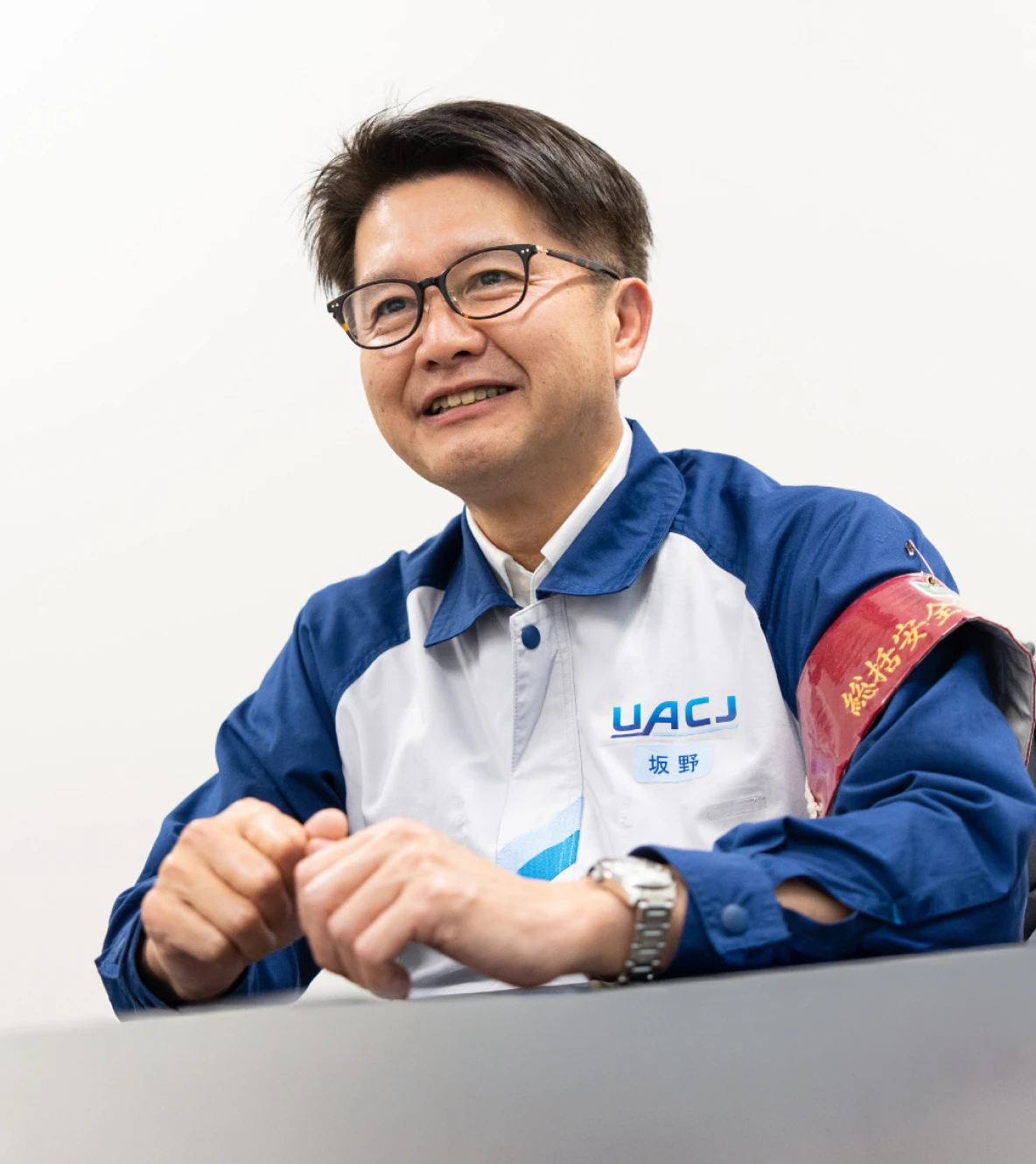
UYAR’s challenge, which transcends corporate boundaries, has become a decisive step that strongly drives the horizontal recycling of domestic resources in Japan and that catalyzes broader societal change. Expectations are rising ever higher for an eco-friendly future being woven from Fukui Prefecture outward to the rest of the world by partners who "breathe the same air on the same shop floor."